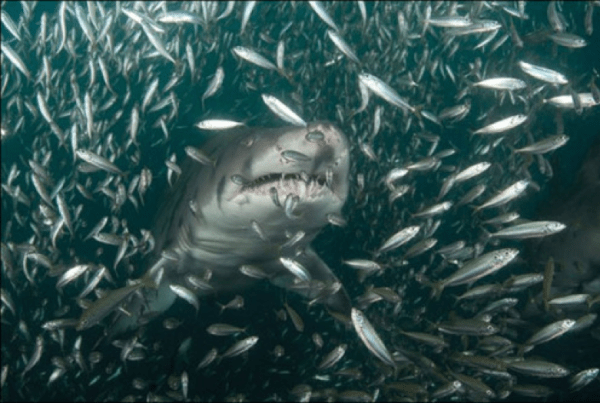
While on the hunt, a supreme awareness of the surroundings can pay off large dividends for an individual. One species that takes advantage of their surroundings is the shark. In Life, a shark quickly reacts to the movements of a school of anchovies by sensing the electrical signals given off by their collective movement, giving... Continue Reading →
The Successful Ant Farmers
You may think that complicated social activities, like agriculture, are unique to humans if you have never seen these leaf-cutting ants. As seen in Planet Earth, Season 2, On the vast grassland of South America, leaf cutting ants are diligently managing their farms of fungi just like humans. Cellulose, a main components of leaves, is... Continue Reading →
Raising the Young of Others
Female goldeneye ducks regularly lay eggs in a woodpecker’s home and take their brood after hatching [2]. This unique behavior is described in Season 1, Episode 9 of The Life of Birds (The Problems of Parenthood). Goldeneye ducks belong to the family Anatidae, which comprises about 147 species in total [4]. They are the perfect... Continue Reading →
Shoebills, the Second Born Gets the Boot
The documentary Africa (Episode 2, Savannah) depicts a scene that is not easy for most people to watch. A Shoebill hatchling, born just three days earlier, continuously picks on its younger sibling. Moreover, the parents allow this to happen and only feed the older chick, thereby ensuring the demise of one of their own offspring.... Continue Reading →
Hatchet Fish: An Evolutionary Race Against Time and Predators
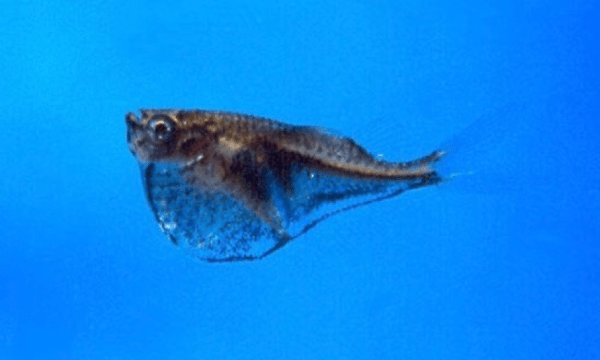
As long as there have been predators, there have been prey developing mechanisms to avoid them. Whether through the development of offensive strategies or through concealment, prey have adapted countermeasures to avoid predation. This has resulted in an evolutionary arms race, each competing against the other for survival. Take for example the Hatchetfish, Sternoptyx pseudobscura... Continue Reading →
Slow, but Steady Wins the Race: Migratory Movements of Sea Turtles
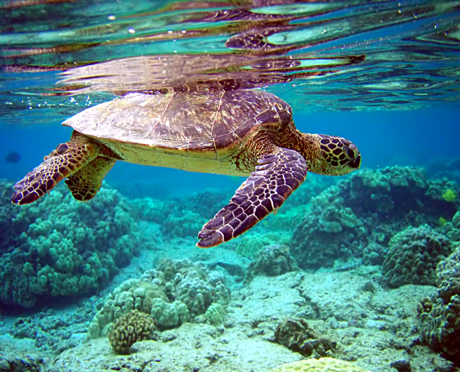
Many animals make very long migrations to feed and breed. In episode 8 of The Blue Planet: A Natural History of the Oceans season 1, Attenborough describes the migratory movements of green sea turtle females. Each year up to 5,000 female green sea turtles that live off the coast of Brazil swim a long journey... Continue Reading →
Altruistic Ants
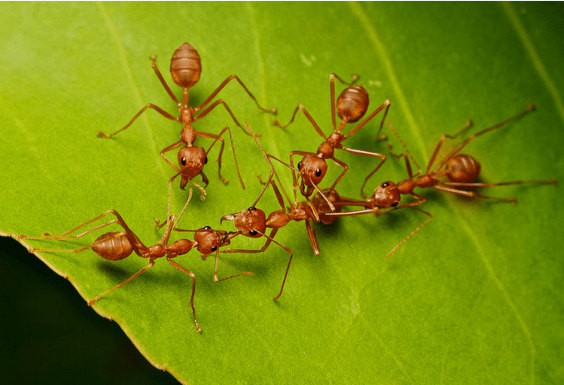
Life Story describes an epic struggle for survival in a weaver ant colony. Hunting parties take down prey many times larger than themselves. A jumping spider deceives the ants, sneaking past colony guards. Raiders from an adversarial colony attack, attempting to “expand their empire.” The battle concludes with the image of a single warrior ant... Continue Reading →
Let’s Get in Formation: Desert Lion Survival 101
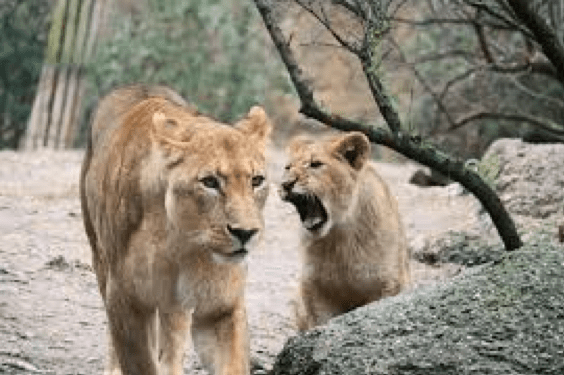
A pride of lionesses forms a beautifully-coordinated trap, chasing a giraffe into what appears to be inevitable death; unexpectedly, the hunt ends in failure as the giraffe viciously tramples the lead female and escapes relatively unscathed. David Attenborough states that lion hunts have the highest rate of failure in the desert, which is not surprising... Continue Reading →
The Warmblood Water Stud
The Bluefin tuna is a remarkable and unique species that mainly inhabits the Atlantic Ocean, but is known for its ability to migrate large distances. In the documentary, Superfish: Bluefin Tuna, David Attenborough describes the school-like behavior of the fish, as well as the uncanny ability for the species to thrive in almost any condition.... Continue Reading →
Diving Headfirst into the Snowy World of the Lynx
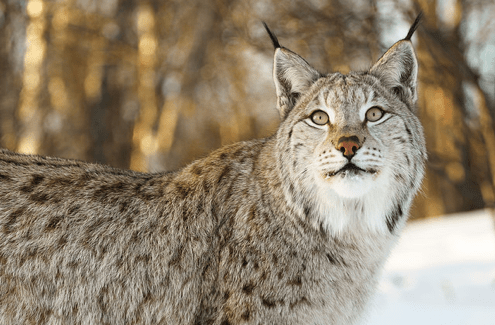
The lynx is one of the most skillful hunters in the wild. Season 1, Episode 2 of Planet Earth II, titled Mountains, has some incredible footage of the lynx on the hunt. Prey can be really scarce in snowy, Wintery conditions, and lynx have adapted in some amazing ways. It has been observed that lynx... Continue Reading →